Family
The people at the center of Sara Jane's world are placed in devastating danger.


In 1912 Georgia, a woman known for faith, generosity, and strength becomes the target of a relentless campaign to strip away everything she loves—and force her to abandon the one thing she refuses to surrender.
Step into the atmosphere, period setting, and emotional stakes of Sara Jane through this special preview from the filmmaking team.
Sara Jane Manning is a wife, mother, healer, farmer, seamstress, and quiet source of strength in the small town of Kilkenny, Georgia. She gives freely, tends to neighbors in need, and believes the talents she possesses were given to be shared.
Then strangers arrive. Misfortune becomes tragedy. Tragedy becomes isolation. Her family, livelihood, reputation, health, home, and even the trust of the people she once helped are placed under extraordinary pressure.
The question at the center of Sara Jane is not whether suffering can break a person. It is whether faith can survive when every visible reason for holding onto it appears to be gone.
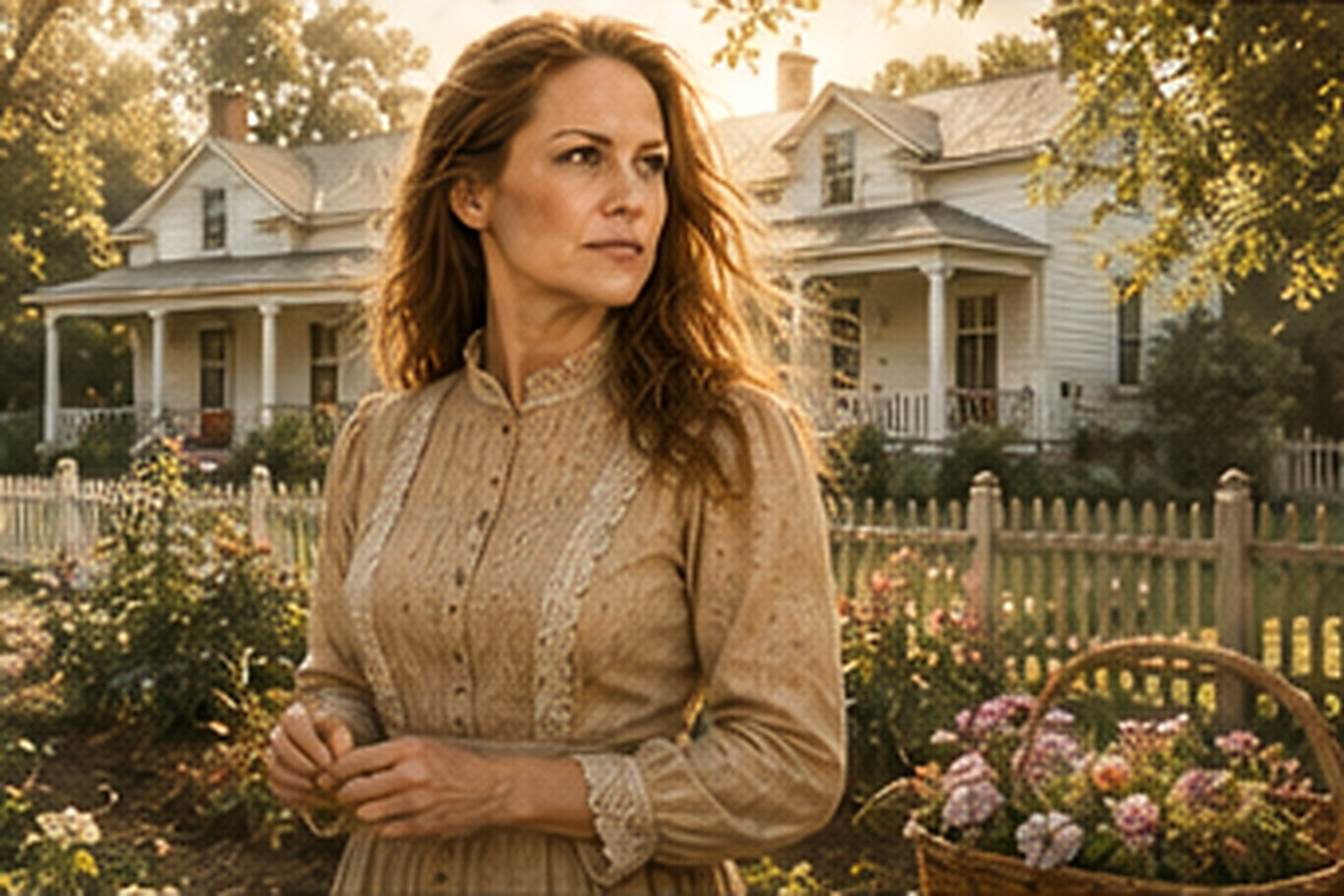
The pressure on Sara Jane is not one single catastrophe. It comes from every direction, forcing her to confront grief, fear, isolation, and the possibility that the life she understood may never return.
The people at the center of Sara Jane's world are placed in devastating danger.
Generational land becomes more than property—it becomes a battleground over identity, history, and belonging.
Rumor and suspicion spread through a town where trust and reputation can determine whether a person stands alone.
Even Sara Jane's own body becomes part of the ordeal, forcing her to endure suffering in public and private.
Neighbors and friends who once depended on her begin to question the woman they thought they knew.
At the heart of every loss is one challenge: will she turn against the God she has trusted all her life?
Kane, Huddah, and Bael arrive in Kilkenny with charm, money, influence, and an unsettling ability to find weakness in the people around them. Their target is Sara Jane—and their objective is not simply to ruin her life, but to make her choose despair.
Polished, calculating, and patient. Kane understands that destroying what a person owns is not enough. He wants Sara Jane to surrender what she believes.
Seduction, rumor, vanity, and social division become tools for turning a comfortable town against itself—and eventually against Sara Jane.
Where Kane manipulates and Huddah tempts, Bael brings intimidation and destruction, helping transform ordinary misfortune into something far more sinister.

Beneath its period setting and supernatural tension, Sara Jane is fundamentally about the things human beings cling to when circumstances strip everything else away.
Belief is easy when life is comfortable. Sara Jane asks what faith looks like when comfort disappears.
Land is portrayed not merely as an asset, but as family history, responsibility, memory, and belonging.
Sara Jane's gifts matter because she uses them for others—from healing remedies to sewing, farming, and care.
A close-knit town can nurture people—but fear, greed, gossip, and temptation can also pull it apart.
Sara Jane is not written as invulnerable. Her strength lies in continuing after grief has exhausted her.
Money, status, desire, convenience, and fear become different doors through which people can be changed.
The story repeatedly asks whether mercy can remain possible when betrayal and injustice would make bitterness easier.
The visible situation is not always the final truth—and the meaning of a hardship may not be understood while living through it.
The film moves through farms, dirt roads, churches, shops, hospitals, banks, and family homes at a moment when horses still share the road with the earliest automobiles and old social structures are beginning to collide with a changing America.
Kilkenny begins as the kind of town where everyone knows everyone, businesses are personal, faith is visible, and neighbors depend upon one another. The arrival of Kane and his companions gradually changes its character.
The screenplay opens in Queenstown (Cobh), Ireland immediately after news of the Titanic disaster before shifting to Georgia, establishing from the beginning that forces larger than one small town are already in motion.
The production combines intimate family drama, historical Americana, faith-driven themes, and supernatural tension within a visually distinctive early-20th-century Southern world.
Visit the filmmakers’ official movie page for additional project news, campaign materials, and future updates directly from the Sara Jane team.
Visit the Official Movie Site ↗Join The American Hometown Entertainment Guild and follow Sara Jane as the project develops. Guild members can receive future project updates, preview materials, provide constructive feedback, and participate when the project enters an official Guild voting cycle.
Join the Guild & Follow Sara JaneFollowing a project or participating in Guild feedback does not guarantee production, financing, casting, distribution, or release.
Sara Jane is a period feature drama set primarily in Georgia in 1912. It combines family drama, faith, historical Americana, community conflict, and supernatural tension.
The screenplay uses real historical context—including the aftermath of the Titanic disaster and the period's Georgia setting—but the uploaded screenplay does not identify Sara Jane Manning's central story as a true-life biography.
The Manning farm represents much more than financial property. It is home, family history, livelihood, responsibility, and ultimately one of the central things Sara Jane refuses to surrender merely because circumstances become difficult.
As the project develops, Guild members can follow its progress and may be invited to preview materials, provide feedback, comment, and vote when an official project voting cycle is opened.
No. Guild feedback is one input alongside financing, professional creative judgment, rights, budgeting, talent, scheduling, legal requirements, distribution, and other production considerations.